Like many games based around exploration, there are plenty of hidden collectibles to find in the world. These usually increase the amount of health you can have, the amount of magic/energy/whatever power you can store, you get the idea. One of the core ideas of these games is that during your exploration, you'll come across things like these that are just out of reach or locked away. This is to entice the player to keep going, effectively promising "Oh you'll get here eventually, if you keep playing." Ori of course does this as well. However Ori also does something else, something I consider a cardinal sin of design in this type of game.
You see, Ori has several areas that are major plot points where the platforming difficulty ramps up a lot. These areas undergo a massive transformation at the end in which you escape quickly as it collapses around you. This renders these areas inaccessible to the player. In this type of game, not being able to revisit an area is an exception to the general rule. However the real reason this is a big problem in Ori is that these areas also contain collectibles of various types, which means if you miss them on your first time through the area, you cannot go back and collect them later.
This is a huge problem for me. The promise of this style of game is "Don't worry, you'll be able to get here later." If you eventually decide (as I did) that this game was worth playing and collecting 100% of the items to see everything, you've just been screwed over because the game broke its promise. If you want to collect 100% of the items, you need to start an entirely new game from scratch.
For comparison, lets look at two other games in this genre: the SNES classic Super Metroid, and the PS1 classic Castlevania: Symphony of the Night. Both of these games are considered grandfathers of the genre, and two of the finest games ever made.
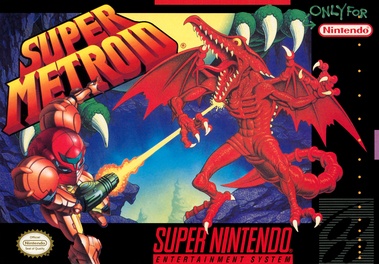
In Super Metroid, there is one single area that becomes inaccessible after you complete it: the introduction sequence on the space station before you get to Zebes and the real game begins. After this, you can always turn around and go back the way you came right up until the door to the final boss room. You can be thick in the middle of the final area and still go back to look for things.

In Symphony of the Night, the situation is very similar. The only area that becomes inaccessible after completing it the first time is the intro sequence, where you don't even play as the main protagonist yet because it's a flashback. There are multiple endings, and you can miss half the game if you get the "bad" ending, but you can always just reload your save file and keep going to get the "good" endings.
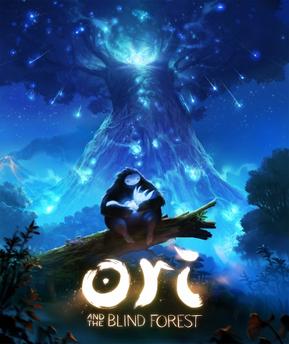
In Ori and the Blind Forest, a good 1/3 of the map becomes closed off to you over the course of the game. In order to do a 100% run, I was forced to start a brand new game and play through all the stuff I'd already done. I even made backup saves before entering each of the areas that get closed off in case I missed something, and I'm consulting guides in order to make sure I find everything.
So I supposed you could say this "adds replayability". That's technically true. I'm replaying the game. But I'm not enjoying it as much. It's subtracted from my overall enjoyment of the game. Not enough to make me not want to play it again to get 100% mind you, the game is less than 10 hours long. But it's a net negative, and that alone is reason to consider this bad design.

No comments:
Post a Comment